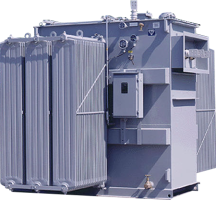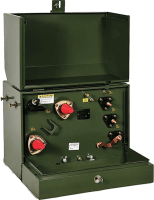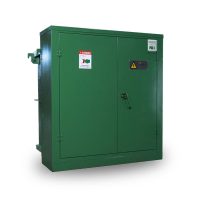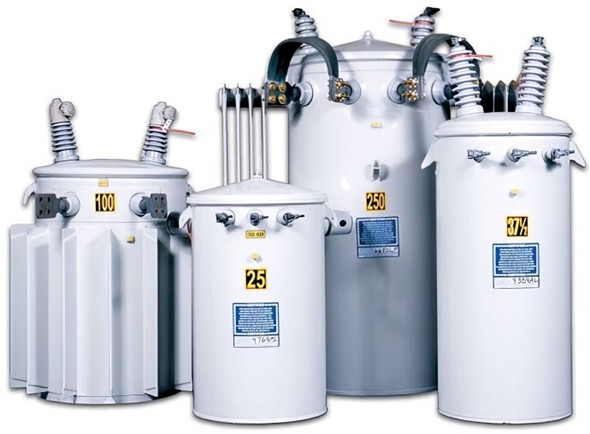
Electric power distribution is the backbone of modern infrastructure, supplying electricity from substations to homes, businesses, and industries. One of the most common and cost-effective devices used in this final stage of power delivery is the Pole Mount Transformer. Found mounted on utility poles along streets and rural roads, these transformers play a crucial role in stepping down high-voltage electricity into safe, usable levels.
This article explains what a pole mount transformer is, how it works, its components, applications, advantages, and why it remains an essential element of power distribution systems.
Introduction to Pole Mount Transformers
Pole mount transformers are an integral part of electrical distribution networks. They bridge the gap between high-voltage transmission lines and low-voltage consumer supply. Without them, electricity generated at power plants could not be safely delivered to end users.
Their compact design, ease of installation, and reliability make them especially suitable for overhead distribution systems in urban, semi-urban, and rural areas.
What Is a Pole Mount Transformer?
A pole mount transformer is a type of distribution transformer that is installed on an electric utility pole. Its primary function is to step down high distribution voltage (such as 11 kV or 33 kV) to low voltage levels (typically 415 V or 230 V) suitable for residential and commercial use.
These transformers are usually oil-filled and designed for outdoor operation. They are engineered to withstand environmental conditions such as rain, heat, dust, and wind while operating continuously for many years.
Where Pole Mount Transformers Are Used
Pole mount transformers are widely used in various power distribution scenarios, including:
- Residential electricity supply
- Rural and remote electrification projects
- Small commercial establishments
- Agricultural power distribution
- Light industrial applications
Their ability to serve localized loads efficiently makes them ideal for decentralized power distribution networks.
Main Components of a Pole Mount Transformer
A pole mount transformer consists of several critical components that work together to ensure efficient voltage transformation:
Core and Windings
The transformer core is typically made of laminated silicon steel, designed to reduce energy losses. The primary and secondary windings are wound around the core and facilitate voltage transformation through electromagnetic induction.
Transformer Oil and Tank
The windings and core are immersed in insulating transformer oil. This oil provides insulation and helps dissipate heat generated during operation. The tank encloses and protects all internal components.
Bushings and Terminals
Bushings allow electrical connections to pass safely through the transformer tank without short circuits. They connect the transformer to overhead distribution lines and low-voltage output lines.
Cooling System
Pole mount transformers commonly use oil-immersed natural air cooling to regulate operating temperature.
Working Principle of a Pole Mount Transformer
The working principle of a pole mount transformer is based on electromagnetic induction. When alternating current flows through the primary winding, it creates a magnetic field in the core. This magnetic field induces a voltage in the secondary winding.
The voltage induced depends on the ratio of turns between the primary and secondary windings. By having fewer turns in the secondary winding, the transformer steps down the voltage to a safer level.
How Electricity Flows Through a Pole Mount Transformer
Electricity enters the transformer through the high-voltage primary terminals connected to overhead distribution lines. The primary winding receives high voltage at relatively low current.
Through electromagnetic induction, energy is transferred to the secondary winding, which delivers low-voltage, higher-current power to consumers. This transformed electricity is then distributed through service lines to homes and buildings.
Types of Pole Mount Transformers
Single-Phase Pole Mount Transformers
These are commonly used in residential and rural applications. They supply single-phase power suitable for household appliances and lighting.
Three-Phase Pole Mount Transformers
Used in industrial and commercial areas where higher power capacity is required. They provide balanced three-phase power for motors, machinery, and heavy electrical loads.
Cooling and Insulation Methods
Pole mount transformers typically use oil-immersed insulation combined with air-natural cooling (ONAN). Heat generated inside the transformer is absorbed by the oil and dissipated through the tank walls into the surrounding air.
This simple yet effective cooling method ensures reliable performance without the need for external cooling systems.
Safety Features in Pole Mounted Transformers
Safety is a critical consideration in power distribution. Pole mount transformers are equipped with several protective features, including:
- Lightning arresters to protect against voltage surges
- Drop-out fuses to isolate faults
- Proper earthing systems to prevent electric shocks
- Insulated bushings to reduce flashover risks
These features protect both the equipment and the surrounding community.
Safety Features in Pole Mounted Transformers
Pole mount transformers offer several advantages that make them widely used:
- Cost-effective installation
- Minimal ground space requirement
- Easy access for maintenance
- Suitable for overhead distribution networks
- Reliable performance over long service life
Their design makes them particularly valuable in areas where underground installations are not practical.
Installation Considerations
Proper installation is essential for safe and efficient operation. Important considerations include:
- Adequate pole strength and height
- Proper clearance from buildings and roads
- Correct load assessment
- Secure mounting hardware and brackets
Correct installation ensures long-term reliability and safety.
Common Problems and How They Are Addressed
Some common issues include overloading, oil leakage, and insulation degradation. These problems are typically addressed through load management, timely repairs, and preventive maintenance practices.
Early detection helps avoid costly failures and power outages.
Standards and Compliance Requirements
Pole mount transformers are manufactured and tested according to national and international standards such as IS, IEC, and utility-specific guidelines. Compliance ensures safety, efficiency, and interoperability within power distribution networks.
Why Premier Transformer is best for Pole Mount Transformer?
Premier Transformer delivers pole mount transformers with superior oil quality and robust tank design, ensuring excellent insulation, efficient heat dissipation, leak-proof performance, and long service life. Our transformers provide reliable operation, enhanced safety, and consistent power distribution even under demanding environmental conditions.