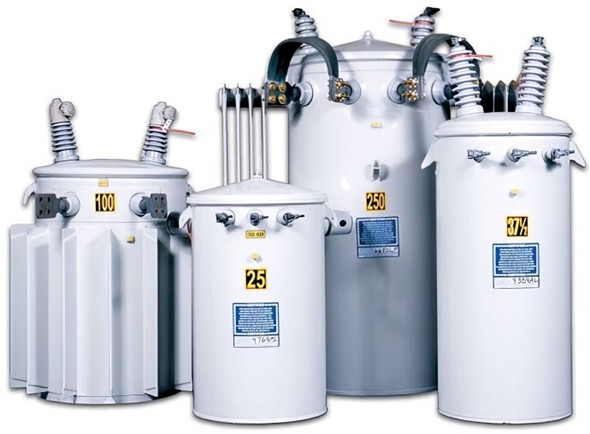
Pole-mounted transformers, often called distribution transformers, are designed to help power companies deliver electricity to locations that are far from major substations. Instead of installing a large transformer on the ground, these units are mounted directly on utility poles, allowing electricity to be distributed efficiently to homes or facilities along existing power lines.
They are especially useful when supplying power to a single building or a remote location. If the building is located near an active power line, an electrician can install a pole-mounted transformer on the pole and run electrical lines directly to the property.
Common Uses of Pole-Mounted Transformers
The most common function of a pole-mounted transformer is stepping down voltage. Electricity generated at power plants travels at very high voltages. Before it can be safely used by homes or businesses, the voltage must be reduced to levels suitable for local electrical systems.
While step-down conversion is the primary role, transformers can also be configured to increase voltage when needed.
Pole-mounted transformers are used across many industries, including:
- Power generation
- Utilities
- Industrial operations
- Construction
- Mining
- Oil and gas
- Government facilities
- Residential applications
Because they are smaller and more cost-effective than pad-mounted transformers, distribution transformers often reduce both installation costs and labor requirements.
How Do Pole-Mounted Transformers Work?
Transformers play a crucial role in the modern electrical grid by transferring electricity from power plants to consumers.
Electric energy travels in waves. After electricity is generated—whether from coal, oil, natural gas, or nuclear sources—it is sent to a converter station where the voltage is increased. Raising the voltage allows electricity to travel long distances more efficiently with minimal energy loss.
Electricity supplied through the power grid is alternating current (AC). AC periodically changes direction, which produces the electromagnetic fields needed to transfer energy.
Inside a transformer are two separate coils:
- A primary coil that receives incoming electricity
- A secondary coil that sends electricity to consumers
These coils do not physically touch. Instead, the alternating magnetic field created by the primary coil induces electrical energy in the secondary coil. This process allows voltage to be increased or decreased depending on the transformer design.
Most transformers contain metal cores and windings submerged in dielectric (insulating) fluid. This fluid prevents overheating by dissipating heat generated by eddy currents—electrical currents that form in the metal components.
Cooling fluid is vital for safe operation. Without it, a transformer could overheat and potentially fail or explode.
How Long Do Pole-Mounted Transformers Last?
With proper maintenance, pole-mounted transformers typically last 30 to 40 years. However, this lifespan depends heavily on operating conditions and maintenance.
The biggest causes of transformer failure include:
- Corrosion of internal components
- Contamination or leakage of insulating fluid
- Structural damage to the tank
- General component wear over time
Since liquid-filled transformers essentially function as sealed containers with electrical components immersed in fluid, any breach or contamination can lead to overheating and failure.
Regular inspections are essential. If technicians notice fluid leaks, excessive corrosion, or damaged components, replacing the transformer may be necessary to maintain safety and reliability.
How Many Homes Can One Pole-Mounted Transformer Serve?
Pole-mounted transformers are typically designed to serve a limited number of buildings.
For residential areas, a small pole-mounted transformer can usually supply electricity to about five to seven homes, although the exact number depends on transformer size and power demand.
Multiple transformers can also be connected together to form a three-phase system, allowing them to support larger loads and serve more facilities.
In developed neighborhoods, infrastructure already exists to support large numbers of buildings. However, pole-mounted transformers are particularly beneficial in rural or remote areas where electrical infrastructure is limited.
In many cases, especially where buildings are spread far apart, one transformer may be installed per building rather than connecting multiple properties to a single unit.
Reliable Pole-Mounted Transformers from UTB Transformers
Whether you need a transformer for residential or commercial use, reliable equipment is essential for safe and efficient electrical distribution.
UTB Transformers provides a wide range of solutions, including:
- Pole-mounted transformers
- Pad-mounted transformers
- Substation transformers
- Mobile transformers
We specialize in meeting the unique needs of different industries while offering a straightforward purchasing process.
If you’re looking for dependable electrical equipment, visit our website or contact us to find the right transformer for your application.